Skip to content

Deanna Lee

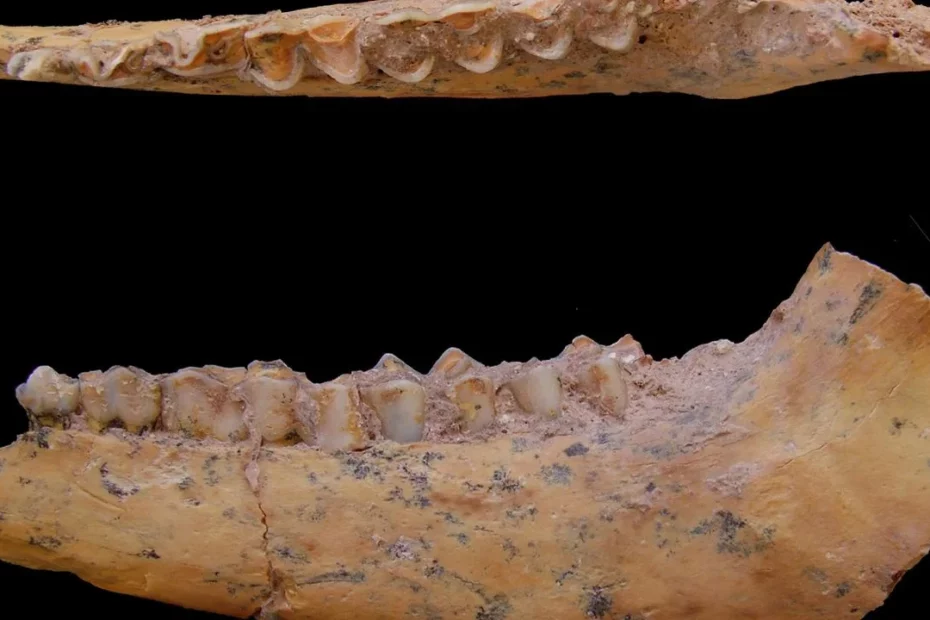
Jaw bone of a gazelle from Jebel Irhoud, Morocco. Photo by Teresa Steele/UC Davis

How Are Ideas About Evolution Evolving? Part One

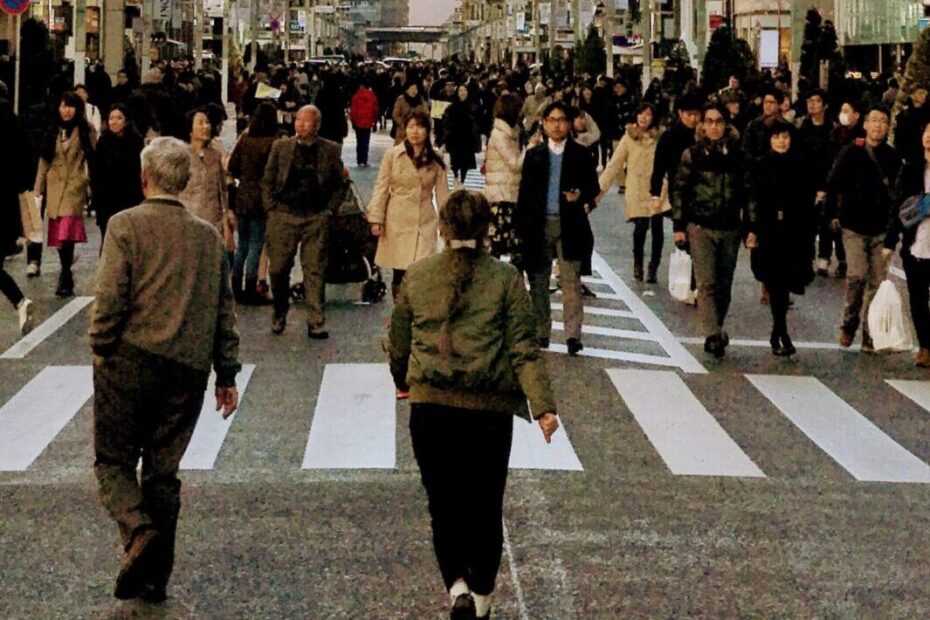
When and how did Homo sapiens become a species? What are the roles of subgroups and migration in human evolution? The first in a three-part series, this post reviews six main categories of human evolutionary change and considers how each of them might lead to unification and/or differentiation of the human species.

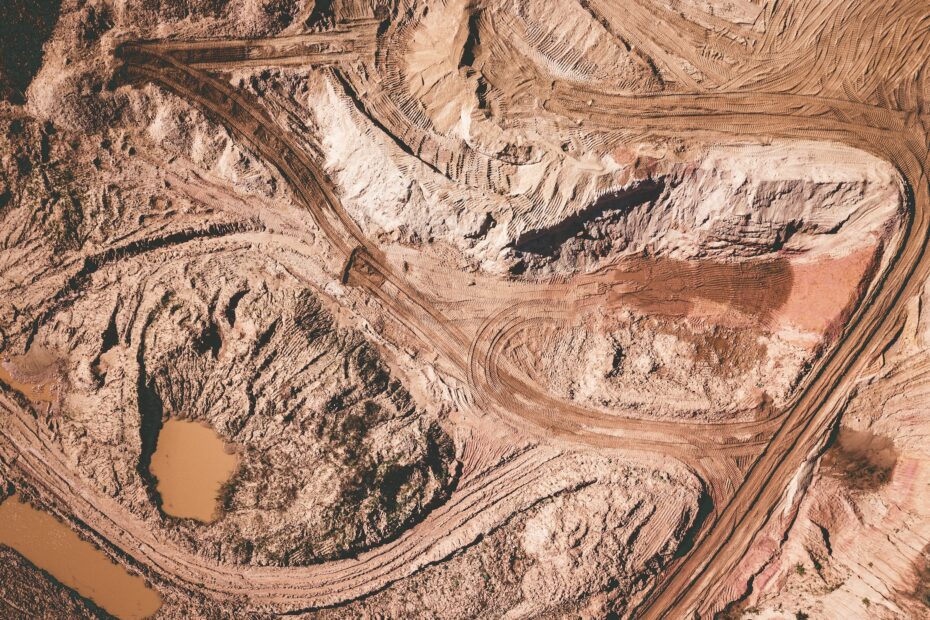
Photo of a lime quarry by Ivan Bandura

The Lithosphere

The extraction of minerals from the Earth today—the most dangerous change in our environmental crisis—is also essential to life as we know it. In a 2017 interview, ecological historian Gregory Cushman explains his work on humanity’s relationship with the lithosphere and provides valuable insights into this issue.

Photo by Iñaki del Olmo/Unsplash

The Case for ‘Bottom-Up’ History

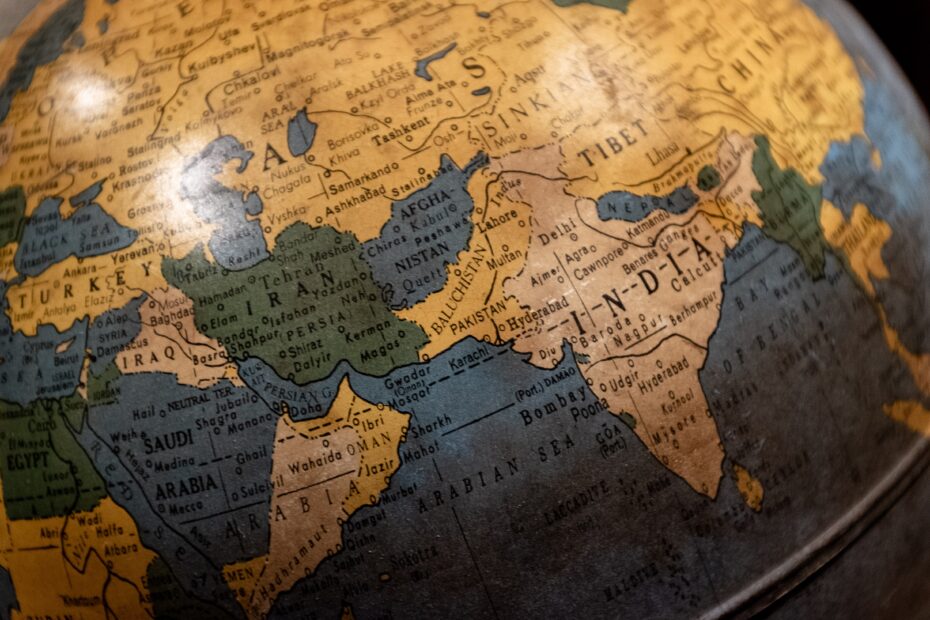
The “bottom-up” approach to world history focuses on the most basic elements of human existence. It identifies problems and explores them through individual and group behavior, relying on multiple disciplines, especially anthropology. The objective is to link basic levels of society to the higher scales of activity. The work of E.P. Thompson provides valuable context.

Azadi Square in Tehran, 2017. Photo by Sam Moghadam Khamseh

Interactions in History

The events of history do not happen in a vacuum. Societies are deeply connected through their cultures and the exchange of ideas and values; they constantly interact and influence one another. This academic exercise helps students explore such interactions more deeply.